
Dreaming of a European adventure with the whole family? Planning the perfect trip can feel overwhelming, but it doesn’t have to be. This guide navigates the complexities of choosing the ideal destination, balancing budget with activities suitable for all ages, and ensuring a smooth, memorable experience. From breathtaking landscapes to captivating cultural immersion, we’ll uncover the secrets to crafting an unforgettable family vacation across Europe’s diverse and enchanting regions.
We’ll explore various vacation styles, comparing and contrasting their pros and cons to help you pinpoint the best fit for your family’s unique needs and preferences. Whether you crave adrenaline-pumping adventures, relaxing beach getaways, or enriching cultural explorations, this guide provides practical tips, itineraries, and budget considerations to make your European family vacation a resounding success.
Defining “Best” Family Vacations
The definition of a “best” family vacation in Europe is highly subjective, varying greatly depending on individual family dynamics and preferences. Factors such as budget, the ages of children, and the family’s shared interests play a crucial role in determining the ideal trip. A perfect holiday for one family might be a complete mismatch for another. Understanding these variables is key to planning a truly memorable experience.Defining a “best” family vacation requires considering several key aspects.
Budgetary constraints significantly influence destination choices and activity options. A family with a limited budget might opt for self-catering apartments and free activities, while a family with a larger budget could enjoy luxury accommodations and pre-booked excursions. The ages of children are equally important; toddlers require different accommodations and activities than teenagers. Finally, aligning the vacation with the family’s shared interests – whether it’s exploring historical sites, engaging in adventurous pursuits, or simply relaxing on a beach – is paramount for a successful trip.
Types of Family Vacations and Ideal Destinations
Different types of family vacations cater to various interests and preferences. Adventure-seeking families might enjoy hiking in the Swiss Alps, white-water rafting in the Pyrenees, or cycling through the Tuscan countryside. Families interested in culture and history could explore the ancient ruins of Rome, the charming canals of Venice, or the majestic castles of Bavaria. Those seeking relaxation might prefer a beach holiday in the Algarve, a villa rental in the Greek Islands, or a spa resort in the French Riviera.
Comparing and Contrasting Family Vacation Styles
Adventure vacations offer excitement and create lasting memories through shared experiences, but they can be physically demanding and potentially more expensive due to specialized equipment or guided tours. Cultural vacations provide enriching educational opportunities and expose families to diverse cultures and histories, however, they may require more planning and could be less appealing to younger children with shorter attention spans.
Relaxing vacations prioritize rest and rejuvenation, offering a slower pace and opportunities for family bonding, yet they might lack the excitement and novelty of more active holidays. The ideal choice depends entirely on the family’s priorities and the ages of the children. For instance, a family with young children might prefer a relaxing beach vacation, while a family with teenagers might opt for an adventure-filled trip.
Top European Destinations for Families
Choosing the perfect family vacation in Europe can feel overwhelming, given the continent’s rich tapestry of cultures and landscapes. This section highlights some of the best destinations, considering factors like child-friendly activities, accessibility, and budget considerations. We’ll explore various options to help you find the ideal fit for your family’s preferences and travel style.
Top European Destinations for Families: A Comparative Overview
The following table provides a concise comparison of several popular family-friendly destinations in Europe, considering budget and recommended trip length. Remember that these are estimates and can vary depending on your travel style and time of year.
| Destination | Highlights for Families | Budget Range | Recommended Duration |
|---|---|---|---|
| Paris, France | Eiffel Tower, Disneyland Paris, Louvre Museum (kid-friendly sections), boat tours on the Seine River, parks and playgrounds. | Medium to High | 5-7 days |
| Rome, Italy | Colosseum, Roman Forum, Trevi Fountain, Vatican City (St. Peter’s Basilica and Vatican Museums), gelato, pizza, family-friendly walking tours. | Medium to High | 5-7 days |
| Barcelona, Spain | Sagrada Familia, Park Güell, Barceloneta Beach, Aquarium, cable car rides, numerous playgrounds and parks, delicious tapas. | Medium | 4-6 days |
| London, England | Buckingham Palace, Tower of London, London Eye, British Museum (kid-friendly exhibits), numerous parks (Hyde Park, Regent’s Park), musicals. | Medium to High | 5-7 days |
Family-Friendly Activities in Five European Countries
A diverse range of activities caters to families across Europe. These examples showcase the breadth of options available, highlighting the unique character of each nation.
France offers not only the iconic Eiffel Tower and Disneyland Paris, but also charming villages like Annecy in the French Alps, perfect for hiking and enjoying stunning lake views. Children will enjoy boat rides and exploring the medieval streets. In addition, numerous farms offer interactive experiences, allowing children to learn about rural life.
Italy, beyond Rome, boasts the canals of Venice, offering gondola rides and picturesque scenery. Florence provides opportunities for exploring Renaissance art (with kid-friendly museums and interactive exhibits), while the Cinque Terre offers breathtaking coastal hikes (with options for shorter, easier trails for younger children).
Spain, beyond Barcelona, offers the beaches of the Costa Brava, ideal for swimming and building sandcastles. Seville provides a taste of flamenco and delicious tapas, while the Alhambra Palace in Granada offers a glimpse into Moorish history (with age-appropriate tours).
England, beyond London, features the Cotswolds, a region of picturesque villages and rolling hills, perfect for leisurely walks and exploring charming pubs. The Lake District offers stunning lakeside scenery and opportunities for hiking and boat trips. York offers a fascinating historical city center, with medieval walls and a magnificent Minster.
Germany boasts numerous fairytale castles, such as Neuschwanstein Castle, which inspired Disney’s Sleeping Beauty castle. Legoland Deutschland in Günzburg provides a fun-filled day for younger children. Berlin offers a mix of history and modern attractions, with family-friendly museums and parks.
A Week-Long Family Vacation in London
This itinerary focuses on a week-long family trip to London, balancing iconic landmarks with child-friendly activities and relaxation.
Accommodation: A family-friendly apartment rental near Hyde Park would offer space and convenience. Consider locations with good public transport links.
Day 1: Arrive in London, check into your apartment, and take a leisurely stroll through Hyde Park, enjoying the playgrounds and open spaces. Have a picnic dinner.
Day 2: Visit Buckingham Palace for the Changing of the Guard ceremony (check timings in advance), followed by a trip to the Tower of London, engaging in interactive exhibits and learning about its history. Enjoy fish and chips for dinner.
Day 3: Ride the London Eye for breathtaking city views. Explore the South Bank, enjoying street performers and the vibrant atmosphere. Have dinner at a family-friendly restaurant near the Thames.
Day 4: Visit the Natural History Museum, focusing on the dinosaur exhibits and interactive displays. Spend the afternoon at a park, such as Regent’s Park or Kensington Gardens.
Day 5: Take a day trip to Windsor Castle, exploring the castle and grounds. Enjoy a traditional afternoon tea.
Day 6: Explore a museum suited to your children’s interests – the Science Museum or the Victoria and Albert Museum offer engaging exhibits. Enjoy a final evening meal at a restaurant of your choice.
Day 7: Depart from London.
Transportation and Logistics for Family Travel in Europe
Planning transportation for a family vacation in Europe requires careful consideration of various factors, including budget, travel time, and the ages and needs of your children. The optimal mode of transport will depend on your specific itinerary and priorities. Choosing wisely can significantly impact the enjoyment and stress levels of your trip.Choosing the right transportation method is crucial for a smooth family vacation in Europe.
Each option presents unique advantages and disadvantages that families should weigh carefully based on their specific needs and preferences. Efficient planning can minimize travel stress and maximize time spent enjoying your destinations.
Transportation Methods for Family Travel in Europe
Families have several transportation options when traveling within Europe, each with its own set of benefits and drawbacks. Cars offer flexibility but can be expensive and stressful in congested cities. Trains provide a relaxing journey, but may not reach all destinations directly. Air travel is fast but can be inconvenient with baggage and connecting flights, especially with children.
- Cars: Offer the greatest flexibility, allowing you to explore at your own pace and reach remote areas. However, driving in unfamiliar countries can be challenging, parking can be expensive and difficult in cities, and driving long distances with children can be tiring. Consider tolls and fuel costs as well.
- Trains: Generally a relaxing and scenic option, particularly for longer distances. High-speed trains connect many major European cities quickly and efficiently. However, train travel can be more expensive than driving, and may require more planning to coordinate schedules and connections, especially with luggage.
- Planes: The fastest option for traveling long distances between countries. However, airports can be stressful, especially with children and baggage. Consider potential delays and the cost of baggage fees.
Navigating Airports and Train Stations with Children
Traveling with children through busy transportation hubs can be daunting, but with some preparation, it can be significantly smoother. Pre-planning is key to reducing stress and ensuring a positive experience for everyone.
- Airport Navigation: Arrive early to allow ample time for check-in, security, and gate arrival. Utilize airport family facilities like play areas and nursing rooms. Pack snacks and entertainment to keep children occupied during waiting periods. Consider purchasing stroller/carrier insurance.
- Train Station Navigation: Purchase tickets in advance to avoid long queues. Familiarize yourselves with the station layout and platform numbers. Pack snacks and drinks, and plan for potential delays.
Booking Flights and Accommodation for a Family of Four
Booking flights and accommodation efficiently is crucial for a successful family vacation. A step-by-step guide can simplify this process.
- Research and Planning: Determine your travel dates and desired destinations. Compare flight and accommodation prices using various online travel agencies. Consider factors like flight duration, layovers, and proximity to attractions.
- Flight Booking: Use flight comparison websites to find the best deals. Book flights well in advance, especially during peak season, to secure better prices and availability. Consider travel insurance.
- Accommodation Booking: Choose accommodation that suits your family’s needs and budget. Consider factors such as location, amenities (like kitchens or laundry facilities), and proximity to transportation. Read reviews before booking.
- Confirmation and Documentation: Print or save electronic copies of your flight tickets, accommodation confirmations, and travel insurance documents. Ensure all passports and necessary visas are up-to-date.
Accommodation Options for Families
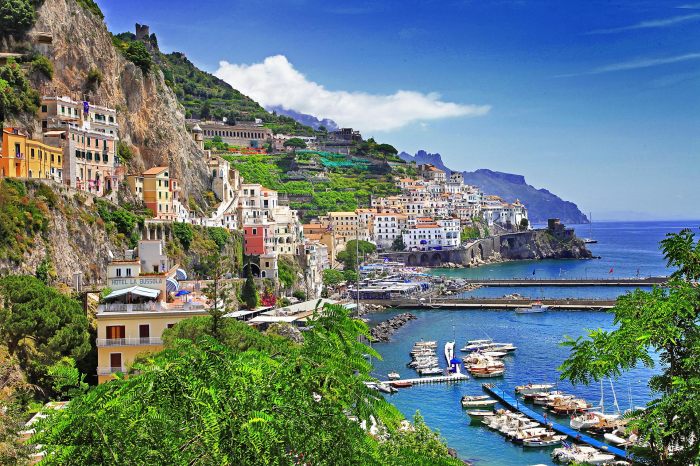
Choosing the right accommodation is crucial for a successful family vacation. The ideal option depends on your family’s size, budget, and preferred travel style. Factors such as desired space, amenities, and proximity to attractions all play a significant role in the decision-making process. This section compares and contrasts various accommodation types to help you make an informed choice.
Hotel Accommodations for Families
Hotels offer a range of options catering to families. Many hotels provide interconnected rooms, family suites, or rooms with extra beds to accommodate larger groups. Amenities often include children’s clubs, swimming pools, and on-site restaurants, simplifying logistics and providing entertainment for children. Cost varies greatly depending on location, star rating, and amenities. For example, a family suite at a four-star hotel in a central location like London’s The Z Hotel Piccadilly, known for its compact but well-designed rooms, will be significantly more expensive than a similar room at a three-star hotel on the outskirts of the city.
Conversely, a family-friendly hotel in a smaller city, like the Hotel Bristol in Prague, known for its central location and family-oriented amenities, might offer a more affordable alternative. Many hotels offer packages tailored to families, including discounted rates or added benefits like breakfast or access to the pool.
Apartment and Villa Rentals for Families
Renting an apartment or villa provides more space and privacy than a hotel room. Apartments usually offer self-catering facilities, including a kitchen, allowing for flexibility in meal preparation and cost savings. Villas often include private pools, gardens, and multiple bedrooms, ideal for larger families or extended stays. However, self-catering requires more planning and preparation. Cleaning and maintenance are typically the responsibility of the renters, unlike in a hotel setting.
Consider the location carefully, ensuring proximity to amenities and attractions if you choose this option. For example, a centrally located apartment in Rome, within walking distance of the Colosseum and the Roman Forum, would provide easy access to major tourist sites. Conversely, a villa in Tuscany’s countryside offers a more secluded and tranquil environment, perfect for relaxation but requiring more transportation planning for sightseeing.
Comparing Hotels and Villas: Benefits and Drawbacks
| Feature | Hotel | Villa |
|---|---|---|
| Space | Limited, unless a suite or multiple rooms are booked. | Generally more spacious, with multiple bedrooms and living areas. |
| Amenities | On-site amenities like pools, restaurants, and children’s clubs are common. | Amenities vary widely; some may offer pools or gardens, while others are more basic. |
| Cost | Can range widely; typically more expensive per night than villas, especially for larger families. | Cost depends on size and location; can be more economical for large families for longer stays. |
| Convenience | Daily housekeeping and readily available services. | Requires self-catering and cleaning; less convenient for daily needs. |
| Privacy | Less privacy compared to a villa. | Offers greater privacy and independence. |
Activities and Experiences for Families in Europe
Planning a family vacation in Europe offers a wealth of opportunities to create lasting memories. Choosing activities that cater to diverse age groups and interests is key to ensuring everyone enjoys the trip. This section explores engaging activities, cultural immersion, and the unique appeal of Europe’s theme parks and attractions.
Age-Appropriate Activities for Diverse Family Groups
A successful family vacation requires considering the interests and energy levels of each family member. Younger children thrive on interactive experiences, while teenagers may prefer more adventurous activities, and adults appreciate opportunities for relaxation and cultural enrichment. A balanced itinerary addresses these varied needs.
- Young Children (Ages 2-7): Interactive museums like the Cité des Sciences et de l’Industrie in Paris (featuring hands-on science exhibits) or the Kindermuseum in Amsterdam (designed specifically for young children) offer engaging learning experiences. Zoos and animal parks, such as London Zoo or the Schönbrunn Zoo in Vienna, are always a hit. Simple boat rides or pony rides provide gentler entertainment.
- Teenagers (Ages 13-19): Teenagers often appreciate more adventurous activities. Consider a bike tour through a scenic area, a thrilling white-water rafting trip (age and ability permitting), or a visit to a historical site with a compelling narrative, like the Tower of London or the Colosseum in Rome. City exploration with opportunities for independent exploration (within safe parameters) can be very appealing.
- Adults: Adults may enjoy more relaxed activities such as exploring local markets, taking cooking classes focusing on regional cuisine, visiting art museums, or enjoying a leisurely wine tasting tour. Spa days or guided walking tours offer a more tranquil experience.
Incorporating Cultural Experiences into Family Vacations
Cultural immersion adds depth and meaning to a family trip. Instead of just ticking off tourist hotspots, consider engaging with local customs and traditions.
- Attend a local festival: Many European cities host vibrant festivals throughout the year. Experiencing a traditional celebration provides a window into the local culture. For example, attending Oktoberfest in Munich, Germany, or the Notting Hill Carnival in London, England, offers unique cultural insights.
- Take a cooking class: Learning to prepare local dishes is a fun and interactive way to engage with a country’s culinary heritage. Imagine the family working together to create delicious pasta in Italy or perfecting the art of paella in Spain.
- Visit historical sites: Engage children by turning historical visits into interactive adventures. For instance, while exploring the Roman Forum, you can tell stories about Roman life, or while visiting a medieval castle, you can use your imagination to create tales of knights and princesses.
Unique Appeal of European Theme Parks and Family-Friendly Attractions
Europe boasts a diverse range of theme parks and family-friendly attractions beyond the well-known Disney parks.
- Europa-Park (Germany): This award-winning park features themed areas representing different European countries, offering a unique blend of thrill rides and cultural experiences. Imagine exploring a replica of the Eiffel Tower or experiencing a thrilling roller coaster themed around a Viking saga.
- PortAventura World (Spain): This park combines thrilling rides with themed areas inspired by different cultures, including the Wild West and Polynesia. The combination of high-energy rides and immersive environments makes it appealing to a wide age range.
- Gardaland (Italy): Located near Lake Garda, this park blends classic amusement park rides with water attractions, making it ideal for hot summer days. Imagine the excitement of water slides and the thrill of classic roller coasters all in one location.
Family Vacation Budgeting and Planning
Planning a family vacation to Europe requires careful budgeting to ensure a memorable trip without exceeding your financial limits. A well-structured budget considers all potential expenses, allowing for flexibility while mitigating unexpected costs. This section details how to create a realistic budget and offers tips for saving money.
Creating a Realistic Budget
To create a realistic budget, begin by identifying all anticipated expenses. These typically include flights, accommodation, activities, food, transportation within Europe, travel insurance, and visa fees (if applicable). Research average costs for each category in your chosen destination. Websites and travel blogs often provide cost estimates for various European cities. For example, flights to popular destinations like Rome or Paris can range significantly depending on the time of year and booking platform used.
Consider using flight comparison websites to find the best deals. Accommodation costs vary greatly depending on the type of lodging (hotel, Airbnb, etc.) and location. Similarly, food costs depend on your dining choices; eating at local markets and preparing some meals can significantly reduce food expenses. Factor in potential unforeseen costs like unexpected medical expenses or luggage fees.
It’s wise to include a buffer of 10-15% of your total estimated cost to account for these contingencies.
Saving Money on Family Travel in Europe
Several strategies can help you save money on your European family vacation. Consider traveling during the shoulder season (spring or autumn) to avoid peak-season prices for flights and accommodation. Booking flights and accommodation well in advance can often secure better deals. Utilize budget airlines for inter-European travel, but be mindful of baggage fees. Explore free activities in your chosen destination, such as visiting parks, walking tours, and free museums on specific days.
Take advantage of public transportation; it’s often more affordable than taxis or rental cars, especially in major cities. Pack snacks and some meals to reduce restaurant costs. Look for family discounts on attractions and activities. Consider staying in apartments or vacation rentals instead of hotels; these often offer kitchen facilities, allowing you to prepare some meals, thereby saving money.
Finally, carefully compare travel insurance options to find the best coverage at a reasonable price.
Sample Budget for a 10-Day Trip to Rome, Italy
This sample budget assumes a family of four (two adults, two children). Prices are estimates and can vary depending on your choices.
| Expense Category | Estimated Cost (€) |
|---|---|
| Flights (round trip) | 1200 |
| Accommodation (10 nights) | 1000 |
| Food (10 days) | 800 |
| Activities & Entrance Fees | 500 |
| Transportation (within Rome & airport transfers) | 200 |
| Travel Insurance | 100 |
| Contingency (15%) | 300 |
| Total Estimated Cost | 4100 |
Note: This is a sample budget. Actual costs may vary depending on your travel style, choices, and time of year. Always research current prices and adjust your budget accordingly.
Safety and Health Considerations for Family Travel
Planning a family vacation requires careful consideration of safety and health aspects to ensure a smooth and enjoyable trip. Europe, while generally safe, presents unique challenges and necessitates proactive measures to mitigate potential risks and ensure the well-being of your family. This section Artikels essential safety tips, necessary insurance coverage, and crucial health precautions for families traveling in Europe.
Essential Safety Tips for Families Traveling in Europe
Staying safe while traveling in Europe involves awareness of your surroundings and implementing preventative measures against common travel risks. Pickpocketing and scams are prevalent in crowded tourist areas. Children, especially, are vulnerable targets. Therefore, vigilance and proactive safety measures are crucial for a worry-free trip.
- Keep valuables secure: Use money belts, secure bags, and avoid displaying expensive jewelry or electronics openly.
- Stay aware of your surroundings: Be mindful of your surroundings, especially in crowded areas. Avoid walking alone at night, especially in less-populated areas.
- Be cautious of strangers: Avoid engaging with strangers who approach you unexpectedly, particularly those offering unsolicited assistance or services.
- Register with your embassy: Register your travel plans with your country’s embassy or consulate. This allows them to contact you in case of emergencies.
- Make copies of important documents: Keep copies of passports, visas, and other important documents separate from the originals. Store these copies digitally and physically in different locations.
- Teach children safety rules: Teach children basic safety rules, such as staying close to adults in crowded areas and not talking to strangers.
- Learn basic phrases in the local language: Learning basic phrases like “help” and “police” can be invaluable in emergency situations.
Necessary Travel Insurance Coverage for Families
Comprehensive travel insurance is paramount for families traveling abroad. It protects against unforeseen circumstances, such as medical emergencies, trip cancellations, lost luggage, and other potential problems. The coverage should be tailored to the specific needs of your family and the activities planned during the trip.
- Medical expenses: Ensure the policy covers medical emergencies, including hospitalization, evacuation, and repatriation.
- Trip cancellation or interruption: Coverage for cancellations due to unforeseen circumstances, such as illness or severe weather.
- Lost or stolen luggage: Compensation for lost or stolen baggage and its contents.
- Emergency assistance: Access to 24/7 emergency assistance services for help with various travel-related issues.
- Personal liability: Protection against legal liability for accidents or injuries caused to others.
Health Precautions and Recommended Vaccinations for Families Traveling to Europe
Before traveling to Europe, consult your doctor or a travel clinic to discuss necessary vaccinations and health precautions. While many European countries have high vaccination rates, some diseases are still present, and certain precautions are recommended to minimize health risks during your trip.
- Consult your doctor: Schedule a consultation with your doctor or a travel clinic at least 8 weeks before your departure to discuss necessary vaccinations and preventative measures.
- Standard vaccinations: Ensure your family’s standard vaccinations are up-to-date, including measles, mumps, rubella, tetanus, diphtheria, and polio.
- Travel-specific vaccinations: Depending on your destination and planned activities, your doctor may recommend additional vaccinations, such as Hepatitis A and B.
- Food and water safety: Practice good food and water hygiene. Drink bottled water, avoid uncooked food, and wash your hands frequently.
- Insect repellent: Use insect repellent to protect against mosquito bites and the risk of diseases like West Nile virus.
- Sun protection: Use sunscreen with a high SPF, wear hats, and seek shade during peak sun hours to prevent sunburn.
- First-aid kit: Pack a well-stocked first-aid kit with essential medications, bandages, antiseptic wipes, and pain relievers.
Ultimately, the best family vacation in Europe is the one that creates lasting memories and strengthens family bonds. By carefully considering your family’s interests, budget, and travel style, and by utilizing the practical advice and resources provided in this guide, you can confidently plan an exceptional trip. Remember, the journey is as important as the destination, so embrace the unexpected detours and cherish every moment spent together exploring the wonders of Europe.
Quick FAQs
What’s the best time of year to visit Europe with kids?
Shoulder seasons (spring and autumn) generally offer pleasant weather, fewer crowds, and potentially lower prices than peak summer months.
How do I keep kids entertained on long journeys?
Pack plenty of engaging activities like books, games, tablets loaded with movies/games, and snacks. Plan for regular breaks to stretch legs and explore.
What are some affordable accommodation options in Europe?
Consider self-catering apartments, guesthouses, or hostels offering family rooms. Look for deals and book in advance.
How can I handle jet lag with children?
Try to adjust to the local time zone gradually before departure. Maintain a consistent sleep schedule during your trip, even if it means early nights.


