Planning a family vacation that caters to diverse age groups and interests can seem daunting, but with careful consideration, it can become an unforgettable experience. This guide explores various options, from budget-friendly getaways to adventurous expeditions and relaxing retreats, ensuring there’s something for everyone. We delve into practical planning aspects, including budgeting, accommodation choices, and itinerary creation, while also emphasizing the importance of shared experiences and lasting memories.
We’ll examine creative ways to save money on travel, explore adventurous activities suitable for all ages, and discuss the benefits of incorporating relaxation and educational opportunities into your family vacation. From choosing the right accommodations to managing potential conflicts, we aim to equip you with the tools and strategies for a successful and enjoyable family trip.
Budget-Friendly Family Vacation Ideas

Planning a family vacation doesn’t have to break the bank. With a little creativity and planning, you can create lasting memories without emptying your savings account. This section will explore budget-friendly destinations, money-saving strategies, and a sample itinerary for a memorable, affordable getaway.
Budget-Friendly Family Vacation Destinations within the United States
Finding affordable family vacation spots within the US is easier than you might think. Many locations offer a fantastic blend of activities and attractions without the hefty price tag of international travel. Consider these options, keeping in mind that costs are estimates and can vary depending on the time of year and specific choices.
| Destination | Average Accommodation (per night) | Average Food (per day, per person) | Average Activities (per day, per person) |
|---|---|---|---|
| The Great Smoky Mountains National Park, Tennessee/North Carolina | $100-$200 (cabin rentals or budget-friendly hotels) | $50-$75 (mix of grocery shopping and eating out) | $25-$50 (hiking, exploring the park, visiting smaller attractions) |
| Outer Banks, North Carolina | $150-$300 (renting a beach house or condo, prices vary greatly depending on size and location) | $60-$90 (mix of grilling and eating out at local seafood restaurants) | $30-$60 (beach activities, exploring lighthouses, driving along the coast) |
| Orlando, Florida (focus on free/low-cost activities) | $120-$250 (consider staying slightly outside of the main theme park areas for lower prices) | $50-$80 (mix of grocery shopping and inexpensive dining options) | $20-$40 (focus on free activities like exploring parks, swimming, and enjoying free events) |
| National Parks in the Southwest (e.g., Zion, Bryce Canyon) | $80-$150 (camping or budget-friendly motels in nearby towns) | $40-$60 (packing most meals, eating out occasionally) | $15-$30 (hiking, exploring the parks, enjoying the scenery) |
| Lake Michigan Shore, Indiana/Michigan | $100-$200 (renting a cabin or finding affordable hotels near the beach) | $50-$75 (mix of grocery shopping and local restaurants) | $20-$40 (beach time, exploring state parks, visiting nearby towns) |
Creative Ways to Save Money on Family Travel
Saving money on a family vacation requires planning and creativity. Here are some effective strategies:
Prioritizing free or low-cost activities significantly reduces expenses. For instance, instead of spending money on expensive theme park tickets, plan a day of hiking in a national park, visiting a free museum, or enjoying a picnic at the beach. This allows for quality family time without the high cost of paid attractions.
Traveling during the off-season or shoulder season (spring or fall) can lead to considerable savings on accommodation and flights. Prices are generally lower during these periods, and you’ll encounter fewer crowds. For example, visiting a popular beach destination in September rather than July can result in significantly lower hotel rates.
Cooking your own meals is a major money saver. Instead of eating out for every meal, plan to have breakfast and some lunches and dinners in your accommodation. This will drastically reduce your food costs. For example, packing sandwiches for a day trip to the beach instead of buying lunch from a beachfront restaurant will save you a significant amount.
Sample Itinerary: Week-Long Budget-Friendly Beach Vacation
This itinerary focuses on a week-long beach vacation emphasizing free or low-cost activities. It can be adapted to different beach locations.
Day 1: Arrive at your destination, settle into your accommodation, and enjoy a relaxing evening on the beach watching the sunset. (Cost: minimal, perhaps some snacks).
Day 2: Spend the day building sandcastles, swimming, and playing beach games. Pack a picnic lunch to avoid restaurant costs. (Cost: minimal, cost of groceries for the picnic).
Day 3: Explore a nearby town or city. Look for free walking tours or visit free attractions like parks and historical markers. (Cost: minimal, perhaps cost of public transport).
Day 4: Go for a hike or bike ride along a scenic coastal trail. Many areas offer free or low-cost access to nature trails. (Cost: minimal, possibly bike rental if needed).
Day 5: Relax on the beach, read a book, and enjoy the sunshine. (Cost: minimal).
Day 6: Have a bonfire on the beach (if permitted) and roast marshmallows. (Cost: minimal, cost of marshmallows and wood).
Day 7: Depart from your vacation destination. (Cost: minimal).
Adventure-Based Family Activities
Family vacations offer a wonderful opportunity to create lasting memories and strengthen family bonds. Adventure-based activities, in particular, can provide thrilling experiences and encourage teamwork and problem-solving skills for all age groups. Choosing the right adventure, however, requires careful consideration of everyone’s abilities and safety.
Five Adventurous Family Activities
Selecting appropriate adventure activities for families with varying age ranges requires careful planning. The following five options offer diverse experiences catering to different age groups and skill levels, provided proper safety measures are in place.
- Ziplining: Many zipline courses offer options for different age ranges and skill levels, with harnesses and safety guides ensuring a secure experience. Toddlers may participate in shorter, lower courses, while teenagers can enjoy more challenging routes. Safety precautions include proper harness fitting, adherence to instructor guidelines, and ensuring participants are physically capable.
- Rock Climbing (Indoor/Outdoor): Indoor climbing gyms provide a controlled environment for all ages, with varying difficulty levels and safety equipment. Outdoor climbing requires more experience and should only be attempted with qualified guides, particularly for younger children. Safety equipment includes harnesses, helmets, ropes, and belay devices. Proper instruction and supervision are crucial.
- Kayaking/Canoeing: Calm lakes or slow-moving rivers are ideal for families with younger children. Life jackets are mandatory for all participants, and it’s advisable to start with shorter trips and gradually increase duration and distance. Teenagers can participate in more challenging routes with appropriate supervision.
- Nature Walks/Hiking (Easy Trails): Easy, well-maintained trails are perfect for families with toddlers and young children. Ensure you have appropriate footwear, plenty of water, and snacks. Always inform someone of your hiking route and estimated return time. Choose trails appropriate for the youngest participant’s capabilities.
- Beachcombing and Tide Pool Exploration: This activity is suitable for all ages, offering opportunities for discovery and learning. Always supervise children closely near the water, and be aware of changing tides and potential hazards such as slippery rocks. Teach children about respecting the environment and leaving the beach cleaner than they found it.
Hiking versus White-Water Rafting
Hiking and white-water rafting offer distinct advantages as family activities. Hiking promotes physical fitness, encourages appreciation for nature, and allows for flexibility in pace and distance. It is generally more accessible to families with younger children, provided trails are chosen appropriately. White-water rafting, on the other hand, provides a more intense and exciting experience, fostering teamwork and problem-solving skills.
However, it requires a higher level of physical fitness and may not be suitable for very young children or those with health concerns. Both activities offer opportunities for bonding and creating lasting memories, but the choice depends on the family’s preferences and capabilities.
Planning a Family Camping Trip
Careful planning is essential for a successful and safe family camping trip. Consider the age and abilities of all participants when selecting a campsite and planning activities.
| Activity | Gear Needed | Safety Precautions | Age Appropriateness |
|---|---|---|---|
| Setting up Camp | Tent, sleeping bags, sleeping pads, cooking equipment, lanterns/flashlights | Proper tent pitching, fire safety, food storage to avoid attracting animals | All ages (with adult supervision for younger children) |
| Hiking | Hiking boots, backpacks, water bottles, sunscreen, insect repellent, map, compass/GPS | Stay on marked trails, inform someone of your route, be aware of weather conditions | All ages (adjust trail difficulty to age and ability) |
| Campfire Cooking | Cooking utensils, firewood, lighter/matches, food | Adult supervision, keep a safe distance from the fire, never leave a fire unattended | All ages (with adult supervision) |
| Nighttime Stargazing | Blankets, binoculars (optional), star chart (optional) | Stay within the designated campsite area, be aware of wildlife | All ages |
| Wildlife Observation | Binoculars, field guide (optional), camera | Maintain a safe distance from wildlife, never approach or feed animals | All ages (with adult supervision and education about wildlife safety) |
Planning a Successful Family Vacation
A well-planned family vacation can create lasting memories and strengthen family bonds. However, without careful consideration and collaboration, even the most anticipated trips can become stressful. Involving every family member in the planning process is crucial for ensuring everyone’s needs and preferences are met, leading to a more enjoyable and harmonious experience for all.The key to a successful family vacation lies in meticulous planning and proactive conflict resolution.
This involves a detailed itinerary, careful budgeting, and strategies for handling potential disagreements. By taking these steps, families can transform their vacation from a source of potential stress into a cherished time of togetherness and adventure.
Involving All Family Members in the Planning Process
Engaging each family member in the planning stages fosters a sense of ownership and shared responsibility. This collaborative approach ensures that the vacation caters to diverse interests and age groups, minimizing potential disappointments and maximizing enjoyment for everyone. For example, younger children might be asked to choose one activity they particularly want to do, while teenagers could help research restaurants or attractions relevant to their interests.
Adults can focus on the logistics, such as booking accommodations and transportation. Open communication and a willingness to compromise are essential for a successful collaborative planning process.
Creating a Detailed Family Vacation Itinerary
A well-structured itinerary is the backbone of a smooth vacation. It begins with establishing a clear budget. This involves listing anticipated expenses such as flights, accommodation, activities, food, and souvenirs. Online budgeting tools or simple spreadsheets can help families track spending and stay within their allocated funds. Once the budget is set, researching and booking accommodations is crucial.
Consider factors like location, proximity to attractions, amenities (like pools or kitchens), and the number of bedrooms needed to accommodate the family comfortably. Finally, scheduling activities should account for everyone’s interests and energy levels, incorporating downtime and flexibility to avoid over-scheduling. Remember to book tours and activities in advance, especially during peak season.
Managing Potential Conflicts or Disagreements
Even the most well-planned vacations can encounter unexpected hiccups or disagreements. Establishing clear communication channels and ground rules beforehand can help mitigate potential conflicts. For example, families could agree on daily schedules, designated quiet times, and methods for resolving disputes. It’s also important to build in flexibility and embrace spontaneity. Things won’t always go as planned, and being adaptable helps prevent frustration.
If disagreements arise, encouraging open dialogue, active listening, and compromise is vital. Remember that the goal is to create a positive and memorable experience for everyone involved. A pre-trip family meeting to discuss expectations and potential challenges can help set the stage for a smoother and more enjoyable vacation.
Family Vacation Memories
A family vacation is more than just a trip; it’s a collection of experiences, moments, and shared laughter that create lasting bonds. Capturing these memories effectively ensures that the joy and connection experienced during the vacation will continue to enrich your family life long after you return home. This involves a multifaceted approach, encompassing thoughtful planning and creative methods of preservation.Creating a tangible record of your family vacation requires a proactive approach, combining different techniques to capture the essence of the experience.
This ensures that the memories are not just fleeting sensations but rather cherished possessions that can be revisited and shared for years to come. The methods discussed below offer a blend of immediacy and long-term preservation.
Capturing Lasting Memories
Effective memory preservation starts before the vacation even begins. Consider creating a dedicated vacation journal or a digital document to record your pre-trip planning and anticipations. During the vacation, take advantage of various methods to document your experiences. High-quality photographs are essential, but don’t limit yourself to just snapshots. Include video clips of special moments, record audio snippets of conversations or ambient sounds, and write down daily reflections in a travel journal.
The more senses you engage, the richer your memories will become. Consider also using a dedicated family vacation hashtag on social media to collect photos and memories shared by everyone in the family.
Creating a Photo Album or Scrapbook
Transforming your vacation photos and mementos into a physical album or scrapbook elevates the experience from digital storage to a cherished family heirloom. Begin by organizing your photos chronologically, or by activity. For example, dedicate a section to beach days, another to visits to museums, and so on. Adding captions is crucial; these should go beyond simple descriptions.
Include details about who is in the picture, where it was taken, and most importantly, what made that moment special. For example, instead of “Beach Day,” write “Building sandcastles with the kids at sunset – Liam’s castle was the tallest!” Incorporate other mementos like tickets, brochures, postcards, or even pressed flowers from your trip to add texture and personal touches.
Consider using acid-free paper and photo-safe adhesives to ensure your scrapbook lasts for generations. A well-designed layout, perhaps with themed pages, will further enhance the visual appeal and storytelling aspect.
Extending the Vacation Experience
The vacation doesn’t truly end when you return home. Extend the joy and connection by sharing your photos and stories with family and friends. Create a digital slideshow or a short video montage to share online or at a family gathering. Writing thank-you notes to those who helped make the trip possible, such as grandparents who babysat or friends who hosted you, adds a personal touch and reinforces the positive aspects of the experience.
And finally, start planning your next family adventure! Discussing and planning future trips keeps the vacation spirit alive and provides something to look forward to, further cementing the memories of the past vacation.
Exploring FAMILY VACATIONS
Planning a successful family vacation requires careful consideration, but the rewards of creating lasting memories far outweigh the effort. The key ingredient? A harmonious blend of communication and compromise. Openly discussing expectations, preferences, and budget limitations before departure prevents conflicts and disappointments during the trip itself. Flexibility is paramount; unexpected events are inevitable, and the ability to adapt ensures a smoother journey for everyone.Successful family vacations hinge on effective communication and compromise among family members.
Openly discussing everyone’s expectations, desired activities, and budget constraints before the trip is crucial. This collaborative approach allows for a shared understanding and prevents potential conflicts during the vacation. Compromise is key; not everyone will get everything they want, and a willingness to concede on certain aspects ensures a more enjoyable experience for all involved. For instance, a family might agree on a balance between relaxing beach time and adventurous hiking, ensuring everyone feels their interests are considered.
This collaborative planning fosters a sense of shared ownership and excitement, laying the foundation for positive memories.
A Sample Family Vacation Itinerary
This itinerary demonstrates a balance of activities catering to various age groups and interests, focusing on a week-long trip to a coastal region with access to both natural attractions and urban amenities.
| Day | Morning | Afternoon | Evening |
|---|---|---|---|
| 1 | Arrival and hotel check-in. Relaxation and unpacking. | Explore the local town, visit a nearby market. | Family dinner at a local restaurant. |
| 2 | Beach time – building sandcastles, swimming, playing beach games. | Guided nature walk exploring coastal trails. | Bonfire on the beach (weather permitting), roasting marshmallows. |
| 3 | Visit a local aquarium or marine park. | Free time for individual pursuits – reading, swimming, shopping. | Family movie night in the hotel room. |
| 4 | Day trip to a nearby theme park or amusement park. | Enjoy the park’s rides and attractions. | Relaxing dinner at the hotel or a casual eatery. |
| 5 | Visit a historical site or museum relevant to the region’s history. | Relaxation by the pool or beach. | Family game night in the hotel room. |
| 6 | Attend a local event or festival (if available). | Free time for souvenir shopping or exploring the local area. | Farewell dinner at a restaurant with a view. |
| 7 | Departure preparations and check-out. | Last-minute souvenir shopping or a final stroll on the beach. | Travel home. |
Visual Representation of a Happy Family Vacation
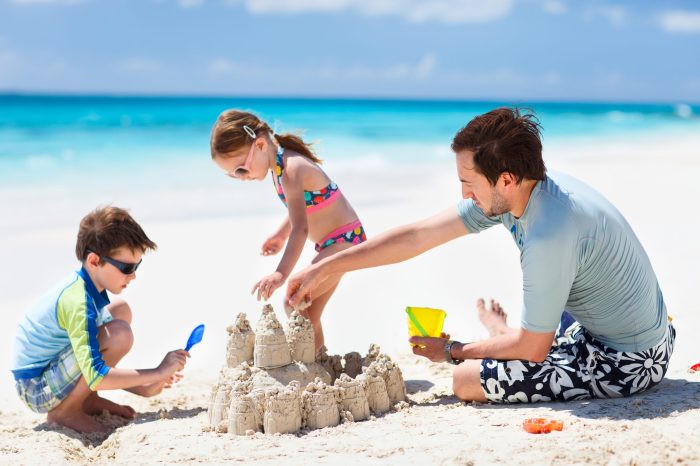
Imagine a vibrant beach scene at sunset. A family of four – two parents and two children, one a teenager and one a young child – are building a magnificent sandcastle together. The parents are laughing, kneeling beside their children, their hands gently guiding the shaping of the turrets and walls. The teenager, usually reserved, is fully engaged, their smile wide and genuine.
The younger child, their face smeared with sand, squeals with delight as they add a final decorative touch. The warm hues of the setting sun cast a golden glow on the scene, highlighting the joy and shared accomplishment. The overall impression is one of deep connection and unadulterated happiness; a moment captured in time, a testament to the power of shared experiences and family bonding.
The air is filled with laughter, the sound of the waves a gentle soundtrack to their collaborative creation. This shared activity represents the core essence of a successful family vacation – connection, collaboration, and the creation of lasting memories.
Creating a memorable family vacation involves careful planning, flexibility, and a focus on shared experiences. By considering a range of activities, accommodating different preferences, and prioritizing communication, families can forge lasting bonds and create cherished memories that will be recounted for years to come. Remember, the goal is not just to visit places, but to create a shared narrative that enriches your family’s story.
The journey itself, filled with laughter, learning, and connection, is as valuable as the destination.
User Queries
How do I handle sibling rivalry during a family vacation?
Open communication before and during the trip is key. Establish clear expectations, involve children in planning, and build in individual downtime to prevent overstimulation. Plan activities that encourage cooperation and compromise.
What if my children have different interests?
Balance shared activities with individual pursuits. Allow some time for independent exploration or activities tailored to specific interests. Consider splitting up for parts of the day to allow each child to engage in what they enjoy most.
How can I ensure my children stay engaged during long travel days?
Pack engaging activities like books, games, tablets loaded with movies or games, and snacks. Plan for frequent stops to stretch and let children move around. Audiobooks or podcasts can also help pass the time.
What are some ways to make the vacation sustainable and eco-friendly?
Choose eco-friendly accommodations, reduce waste by packing reusable items, support local businesses, and opt for activities that minimize environmental impact, like hiking or visiting national parks.


