Planning a family vacation with young children can feel daunting, but with careful consideration, it can become an unforgettable experience for everyone. This guide explores various aspects of family travel, from selecting age-appropriate destinations and activities to managing budgets and ensuring safety. We’ll delve into practical tips and advice to help you create a smooth and enjoyable trip, transforming potential stress into cherished family memories.
From choosing the perfect destination and accommodation to planning engaging activities and managing travel logistics, we’ll cover everything you need to know. We’ll also address common concerns about budgeting, safety, and making the most of your time together as a family. This comprehensive guide aims to equip you with the tools and knowledge to plan a successful and memorable family vacation.
Best Destinations for Young Children
Planning a family vacation with young children requires careful consideration of age-appropriateness, activities, and overall atmosphere. The key is to choose a destination that offers engaging experiences without overwhelming little ones. This section will highlight some excellent options, focusing on what makes them particularly suitable for toddlers and preschoolers.
Family-Friendly Destinations for Young Children
Choosing the right destination is crucial for a successful family vacation. The following table Artikels five excellent choices, considering factors like age suitability, key attractions, and overall child-friendliness.
| Destination | Age Appropriateness | Key Attractions | Why it’s great for young kids |
|---|---|---|---|
| Orlando, Florida (Walt Disney World Resort) | Toddlers – 8 years | Magic Kingdom, Epcot, Animal Kingdom, Hollywood Studios | Character meet-and-greets, age-appropriate rides, immersive theming, and numerous shows designed for young children create a magical experience. The abundance of stroller rentals and baby care centers enhances convenience. |
| San Diego, California | Toddlers – 7 years | Balboa Park, San Diego Zoo, beaches | Balboa Park offers numerous museums with interactive exhibits, while the San Diego Zoo boasts a wide array of animals in engaging habitats. The beaches provide ample space for sandcastle building and playing in the shallows. The generally mild climate is also very suitable for young children. |
| Hawaii (Maui or Oahu) | Toddlers – 10 years | Beaches, gentle ocean activities, kid-friendly resorts | The calm waters of many Hawaiian beaches are ideal for toddlers and young children to splash around in. Many resorts offer shallow pools and dedicated kids’ clubs, providing safe and engaging environments. The stunning natural beauty provides a relaxing and memorable experience for the whole family. |
| Charleston, South Carolina | Toddlers – 6 years | Horse-drawn carriage rides, waterfront parks, children’s museums | Charleston offers a charming, slower pace of life, perfect for families with young children. Horse-drawn carriage rides provide a unique and memorable experience, while waterfront parks offer plenty of space for running around. The city’s many historical sites are interesting for older children, while there are dedicated museums and activities designed for younger ones. |
| National Parks (e.g., Yellowstone, Grand Teton – focusing on easily accessible areas) | Preschool – 10 years | Junior Ranger programs, scenic drives, short, easy hikes | National parks offer a unique opportunity to connect with nature. Many parks have Junior Ranger programs designed to engage young children, and scenic drives allow for beautiful views without extensive physical activity. Choosing easily accessible trails and focusing on specific areas makes these destinations manageable with young children. |
Age-Appropriate Activities
Planning engaging activities is crucial for a successful family vacation with young children. Keeping them entertained and stimulated prevents boredom and fosters positive memories. The activities should be age-appropriate, promoting development while ensuring fun for everyone involved. This section Artikels five activities ideal for children aged 2-5, detailing their developmental benefits and necessary materials.
Beach Fun with Sandcastles and Sensory Play
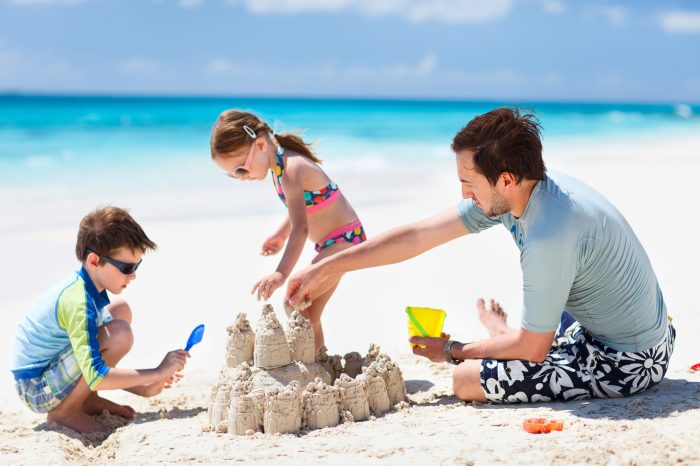
Building sandcastles is a classic beach activity that offers numerous benefits for young children. The process encourages creativity, problem-solving skills as they learn to manipulate the sand, and fine motor development as they shape and decorate their creations. The sensory experience of playing with sand is also incredibly enriching, stimulating tactile exploration and improving hand-eye coordination.
- Buckets and shovels
- Small toys for decoration (e.g., seashells, small plastic animals)
- Sunscreen
- Towels
Nature Walks and Scavenger Hunts
Nature walks provide a wonderful opportunity for children to explore the natural world, learn about different plants and animals, and develop their observational skills. A simple scavenger hunt adds an element of fun and challenge, encouraging them to actively search for specific items like leaves, rocks, or flowers. This promotes problem-solving, improves their understanding of nature, and encourages physical activity.
- A simple scavenger hunt list (pictures are helpful for younger children)
- Small bag or container for collecting items
- Appropriate footwear and clothing for the weather
- Sunscreen and insect repellent (if necessary)
Story Time and Puppet Shows
Story time is a cherished activity that sparks imagination and fosters language development. Reading aloud to children exposes them to new vocabulary, improves their listening skills, and encourages a love for reading. Adding a puppet show element elevates the experience, allowing children to actively participate in storytelling and enhance their communication and creative expression.
- Children’s books
- Simple puppets (homemade or store-bought)
- A comfortable space for reading and performing
- Optional: Props related to the story
Water Play and Splashing
Water play is a refreshing and stimulating activity for young children, particularly during warmer months. Filling a small pool or paddling pool allows for hours of splashing, pouring, and scooping, which develops hand-eye coordination, fine motor skills, and problem-solving abilities as they experiment with water flow and volume. It’s also a fantastic way to beat the heat and have fun.
- Small paddling pool or basin
- Cups, jugs, and other containers for pouring
- Toys suitable for water play (e.g., boats, bath toys)
- Towels
Building Blocks and Creative Construction
Building blocks are a versatile and enriching tool for children’s development. They promote spatial reasoning, problem-solving, and fine motor skills as children manipulate the blocks to create various structures. It encourages creativity, imagination, and hand-eye coordination, fostering a sense of accomplishment as they see their creations come to life.
- A set of building blocks (various sizes and shapes)
- A flat surface for building
- Optional: Additional materials for decorating (e.g., stickers, paint)
Accommodation Options

Choosing the right accommodation is crucial for a successful family vacation with young children. The type of lodging you select significantly impacts convenience, comfort, and overall enjoyment. Consider factors like budget, desired amenities, and the ages and needs of your children when making your decision. This section compares three common family-friendly accommodation options to help you make an informed choice.
Comparison of Family-Friendly Accommodation Types
The following table compares hotels, resorts, and vacation rentals, highlighting their advantages and disadvantages for families traveling with young children. Cost considerations are highly variable and depend on location, season, and specific amenities.
| Accommodation Type | Pros | Cons | Cost Considerations |
|---|---|---|---|
| Hotels | Convenient locations, often near attractions; various amenities (pools, restaurants); readily available; consistent service levels. | Smaller rooms may feel cramped for families; limited kitchen facilities; can be expensive, especially during peak season; less privacy. | Generally moderate to expensive, depending on location, amenities, and star rating. Expect higher costs in popular tourist destinations. |
| Resorts | All-inclusive options can simplify budgeting; extensive amenities (pools, kids’ clubs, activities); often located in scenic areas; on-site childcare available in many cases. | Can be very expensive; may feel impersonal despite amenities; food options might not always cater to picky eaters; scheduling activities can be time-consuming. | Typically the most expensive option; all-inclusive packages may seem cost-effective initially but check the fine print; consider the additional costs of excursions and extras. |
| Vacation Rentals (Houses, Condos, Apartments) | More space and privacy; kitchen facilities for preparing meals; often cost-effective for larger families; allows for a more home-like experience. | May require more preparation (grocery shopping, cleaning); amenities may be limited or require extra fees; location may be further from attractions; potential for unexpected maintenance issues. | Can range from budget-friendly to luxurious, depending on size, location, and amenities; consider cleaning fees, utility costs, and potential security deposits. |
Planning and Packing Essentials
Planning a family vacation with young children requires meticulous preparation to ensure a smooth and enjoyable trip for everyone. Careful planning and comprehensive packing are key to minimizing stress and maximizing fun. Failing to account for the unique needs of young children can quickly turn a dream vacation into a logistical nightmare. This section Artikels essential packing items and strategies for effective organization.
Packing List Categories and Essential Items
Organizing your packing list into categories simplifies the process and helps ensure you don’t forget anything crucial. A well-structured approach reduces last-minute scrambling and enhances preparedness. The following categories are recommended:
- Clothing: Pack a variety of outfits for different weather conditions, considering layers for changing temperatures. Include comfortable, easy-to-change clothing items, and don’t forget pajamas and swimwear. Remember to pack extra socks and underwear, as accidents happen. For infants, include several onesies and bibs.
- Toiletries: Pack travel-sized versions of essential toiletries like shampoo, conditioner, soap, toothpaste, and sunscreen. Diapers, wipes, and diaper rash cream are essential for babies and toddlers. Consider including hand sanitizer and insect repellent.
- Entertainment: Keep young children entertained during travel with books, small toys, coloring books and crayons, and electronic devices loaded with age-appropriate games or shows. Familiar comfort items, like a favorite blanket or stuffed animal, can provide security and reduce anxiety.
- First-Aid: A well-stocked first-aid kit is crucial. Include bandages, antiseptic wipes, pain relievers suitable for children (always check dosage instructions), motion sickness medication if needed, and any prescription medications your child requires. Consider including a thermometer.
- Feeding Essentials: Pack bottles, sippy cups, formula, baby food, snacks, and utensils as needed. If your child has specific dietary requirements or allergies, ensure you pack sufficient supplies. Consider a portable cooler bag to keep food fresh.
- Other Essentials: Don’t forget items like a stroller or carrier, car seat, sun hats, sunglasses, and a reusable water bottle. Consider bringing a portable crib or pack-n-play if your child is not yet sleeping in a regular bed.
Planning Ahead for Potential Challenges
Anticipating potential challenges and preparing accordingly is crucial for a stress-free vacation. Young children are prone to unexpected events like meltdowns, illnesses, or accidents. Planning ahead mitigates these potential disruptions.
- Travel Time Considerations: Plan for extra travel time to account for potential delays, especially with young children. Pack snacks and drinks to keep them occupied and comfortable during long journeys. Frequent stops for diaper changes and playtime are advisable.
- Accommodation Choices: Choose accommodation that caters to the needs of young children. Look for family-friendly hotels or resorts with amenities like cribs, high chairs, and play areas. Consider proximity to parks and playgrounds.
- Emergency Preparedness: Before you leave, make a note of the nearest hospital or doctor’s office. Ensure you have copies of your children’s medical records, insurance information, and emergency contact numbers readily available.
- Packing for Unexpected Events: Pack extra clothing and supplies to account for accidents or unexpected spills. A change of clothes for both the child and the parent is a wise precaution.
Transportation Considerations
Choosing the right transportation for a family vacation with young children significantly impacts the overall experience. The journey itself can be a source of stress or a fun adventure, depending on careful planning and consideration of various factors like cost, comfort, and convenience. Selecting the most appropriate mode of transport is crucial for a smooth and enjoyable trip.
Transportation Options for Families with Young Children
Families have several transportation options to consider when planning a vacation with young children: cars, airplanes, and trains. Each presents unique advantages and disadvantages.
Car Travel with Young Children
Car travel offers significant advantages in terms of flexibility and convenience. Families can pack more luggage, stop whenever needed for diaper changes or meal breaks, and maintain a familiar environment for the children. However, long car journeys can be tiring for both parents and children, and the cost of fuel and potential tolls can add up. Furthermore, car sickness is a potential concern for some children.
Air Travel with Young Children
Air travel is often the fastest option for long distances, but it can be stressful. The confined space and potential for delays can be challenging for young children. Costs can be high, especially with checked baggage fees and potentially required car seats. Airport security procedures can also be time-consuming and potentially disruptive. However, the speed and efficiency of air travel often outweigh the inconveniences for longer trips.
Train Travel with Young Children
Train travel offers a balance between the comfort of a car and the speed of a plane. Children often enjoy the novelty of train travel, and the ability to walk around can help alleviate restlessness. However, train travel might not be as widely available as other options, and the journey can be longer than air travel. Costs can vary significantly depending on the distance and class of travel.
Tips for a Smooth Journey
Regardless of the chosen mode of transportation, careful planning can make the journey more enjoyable. Packing snacks and drinks that the children enjoy is essential. Bringing along familiar toys, books, and entertainment, such as tablets loaded with age-appropriate apps or movies, can help keep children occupied and entertained. For car trips, plan regular stops for stretching and playtime.
For air travel, consider bringing a favorite blanket or stuffed animal to provide a sense of comfort and security. Pre-booking seats with extra legroom can also improve comfort. Finally, remember to pack any necessary medications and first-aid supplies. Planning ahead and anticipating potential challenges will significantly contribute to a less stressful and more pleasant travel experience for everyone.
Budgeting and Cost Management
Planning a family vacation requires careful consideration of the financial aspect to ensure a stress-free and enjoyable experience. Creating a realistic budget involves identifying essential expenses and prioritizing them over discretionary spending, allowing for flexibility and avoiding unexpected financial burdens. This proactive approach helps families maximize their vacation enjoyment without overspending.Effective budgeting begins with a comprehensive assessment of expected costs.
This involves listing all anticipated expenses, from airfare and accommodation to daily meals and entertainment. Categorizing these expenses into essential and discretionary groups helps prioritize spending. Essential expenses typically include accommodation, transportation, and basic meals. Discretionary spending covers activities, souvenirs, and dining at upscale restaurants. Prioritizing essential expenses ensures the core elements of the trip are secured, while discretionary spending can be adjusted based on the overall budget.
Essential Expense Prioritization
Prioritizing essential expenses ensures the foundational elements of the trip are secured. This allows for a more relaxed and enjoyable experience, minimizing the risk of unforeseen financial difficulties. For instance, booking flights and accommodation well in advance often secures better rates, thus reducing overall travel costs. Similarly, planning meals in advance, perhaps by incorporating picnics or self-catering some meals, can significantly reduce food expenses compared to eating out at restaurants for every meal.
Strategies for Saving Money
Several strategies can help families save money without compromising the quality of their vacation. Traveling during the off-season or shoulder season often results in lower airfare and accommodation costs. Consider destinations that offer a good value for money, perhaps opting for less touristy areas or exploring family-friendly activities that are free or low-cost, such as visiting parks or beaches.
Packing snacks and drinks for day trips can also help reduce incidental spending.
Example Budget Breakdown
Let’s consider a hypothetical family of four traveling for a week. A realistic budget might allocate 40% for accommodation, 30% for transportation (including flights and local transport), 20% for food, and 10% for activities and miscellaneous expenses. This breakdown is flexible and can be adjusted based on the family’s preferences and the chosen destination. For instance, a family opting for a camping trip would likely allocate a smaller percentage to accommodation and a larger percentage to activities and food supplies.
Conversely, a family choosing an all-inclusive resort would allocate a larger percentage to accommodation. This flexible approach allows for personalized budget planning based on specific needs and travel style.
Utilizing Travel Deals and Discounts
Many resources offer travel deals and discounts that can significantly reduce the overall cost of a family vacation. Websites and travel agencies frequently advertise package deals combining flights and accommodation at discounted prices. Additionally, exploring loyalty programs offered by airlines and hotels can provide access to exclusive deals and rewards. Similarly, many destinations offer family discounts on attractions and activities, further reducing the overall expenditure.
Utilizing these resources allows families to enjoy a memorable vacation without exceeding their budget.
Safety and Health Precautions
Traveling with young children requires meticulous planning to ensure their safety and well-being. A proactive approach to safety and health minimizes risks and allows for a more enjoyable family vacation. This section Artikels crucial precautions to consider before, during, and after your trip.
Sun Protection
Protecting children’s delicate skin from the sun is paramount, especially in warmer climates. Prolonged sun exposure can lead to sunburn, heatstroke, and long-term skin damage. Always apply a broad-spectrum, high SPF (30 or higher) sunscreen liberally to all exposed skin at least 15-30 minutes before going outdoors, and reapply every two hours, or more frequently after swimming or sweating.
Seek shade during the hottest parts of the day, typically between 10 a.m. and 4 p.m. Dress children in lightweight, light-colored clothing that covers their skin, and consider using hats and sunglasses for added protection. For infants under six months, keep them in the shade and dress them appropriately; sunscreen should generally be avoided at this age.
Food Safety
Maintaining good food hygiene is crucial to prevent foodborne illnesses. Choose reputable restaurants and establishments with high hygiene standards. When eating outdoors, ensure food is kept at safe temperatures; use coolers with ice packs to keep perishable items cold. Wash hands thoroughly before eating and after using the restroom. Avoid consuming raw or undercooked food, and be cautious of street food, particularly in areas with questionable sanitation practices.
Pack familiar snacks and drinks, especially for picky eaters, to minimize the risk of food-related issues.
Accident Prevention
Accidents can happen anywhere, so it’s important to be prepared. Always supervise children closely, especially near water, pools, or other potential hazards. Use appropriate safety equipment such as car seats, booster seats, and life vests. Install safety gates in your accommodation if necessary. Keep medications and cleaning supplies out of reach.
Teach children basic safety rules, such as looking both ways before crossing the street and never talking to strangers. Be mindful of local hazards, such as uneven pavements or busy roads.
First-Aid Kit and Basic First Aid
A comprehensive first-aid kit is essential for any family trip. It should include items such as bandages, antiseptic wipes, pain relievers, antihistamines, insect repellent, sunscreen, and any necessary prescription medications. Familiarize yourself with basic first-aid techniques, such as treating minor cuts, burns, and insect bites. Consider taking a basic first-aid course before your trip. Knowing how to handle common injuries will give you confidence and help you respond effectively in case of an emergency.
Health Emergencies
Prepare for potential health emergencies by researching local medical facilities and emergency services. Note down the addresses and phone numbers of nearby hospitals and clinics. Carry a copy of your children’s medical records, including allergies, vaccinations, and any pre-existing conditions. Consider travel insurance that covers medical emergencies and evacuations. Inform your family and friends of your travel plans and itinerary.
In case of a serious medical emergency, seek immediate medical attention.
Family Vacation Memories
A family vacation is more than just a change of scenery; it’s an opportunity to create lasting memories that will be cherished for years to come. These shared experiences strengthen family bonds and provide a rich tapestry of stories to be retold throughout the years. Thoughtfully capturing these moments ensures that the joy and connection experienced during the trip remain vibrant even after you’ve returned home.Capturing and preserving the memories of your family vacation requires a multi-faceted approach, blending creativity and practicality.
The goal is to create a record that is both visually appealing and emotionally resonant, allowing you to relive the experience vividly. Different methods appeal to different personalities and preferences, so finding the right combination is key.
Creative Ways to Capture Vacation Memories
Creating a lasting record of your family vacation goes beyond simply taking snapshots. Consider these methods to capture the essence of your trip:
- Photo Albums (Physical and Digital): A traditional photo album allows for a tangible, tactile experience. You can add handwritten captions, ticket stubs, or small mementos to each photo, enhancing the storytelling aspect. Digital albums offer convenience and the ability to share easily with extended family. Consider using photo editing software to enhance your photos and create a cohesive aesthetic.
- Vacation Journals: Encourage each family member to keep a journal, documenting their daily experiences, thoughts, and feelings. This provides a unique perspective from each individual, creating a richer and more complete record of the trip. These personal accounts add depth and emotional context to the visual memories.
- Videos and Time-Lapses: Videos can capture the dynamic energy of your vacation, from bustling city streets to serene beach sunsets. Time-lapses offer a unique way to condense lengthy periods into engaging short clips, showing the passage of time and the evolution of your surroundings. Consider using editing software to add music and titles.
- Memory Boxes: Collect small mementos from your trip—seashells, postcards, brochures, ticket stubs—and place them in a decorated box. This creates a tangible representation of your journey that can be revisited years later, sparking memories and conversations.
The Significance of Creating Lasting Family Memories
The memories created during a family vacation extend far beyond the trip itself. These shared experiences foster a sense of connection and belonging, strengthening family bonds and providing a common ground for future conversations and reminiscing. The positive emotions associated with these memories can boost family morale and create a stronger sense of unity. For children, these shared experiences contribute to their overall sense of well-being and provide lasting positive memories that will shape their understanding of family and togetherness.
Family Activities that Encourage Bonding and Create Lasting Memories
Engaging in activities that promote interaction and collaboration fosters deeper connections within the family. Consider these options:
- Themed Family Games Nights: Organize family game nights with themed games related to your vacation destination. This can be a fun way to unwind and bond in the evenings.
- Cooking Together: Try a local cooking class or prepare meals together using ingredients sourced from your destination. Sharing the process of creating food strengthens bonds.
- Collaborative Art Projects: Engage in a creative project together, such as painting a family mural, creating a collaborative scrapbook, or writing a family vacation story.
- Volunteer Work: Participate in a local volunteer project as a family, giving back to the community and creating a shared experience with a positive impact.
Family Vacations
Family vacations offer invaluable opportunities to strengthen familial bonds and create lasting positive memories. These shared experiences foster connection, communication, and a sense of belonging, ultimately contributing to a stronger, more resilient family unit. Beyond the fun and relaxation, family vacations provide significant developmental benefits for children.The Importance of Family Vacations for Family Bonds and Child DevelopmentFamily vacations provide a unique setting for families to disconnect from daily routines and reconnect with each other.
The shared experiences, from navigating a new city to overcoming challenges together, build resilience and foster a sense of teamwork. Children learn valuable life skills such as problem-solving, adaptability, and resourcefulness in the context of a supportive and loving environment. Moreover, the creation of shared memories strengthens emotional bonds and provides a foundation for future family interactions.
The positive emotions generated during a vacation can significantly improve family dynamics and overall well-being. These experiences contribute to a child’s emotional intelligence, building empathy, understanding, and cooperation. The exposure to new cultures, environments, and people broadens their perspectives and fosters a sense of global awareness.
Diverse Family Structures and Vacation Planning
Different family structures approach vacation planning and enjoyment in diverse ways. For example, a single-parent family might prioritize shorter, more budget-friendly trips, focusing on activities that are easily manageable and cater to the child’s interests. Extended families, on the other hand, might opt for larger accommodations and activities that cater to a wide range of ages and interests.
Blended families may require more careful planning to ensure that everyone’s needs and preferences are considered and that the vacation is a positive and inclusive experience for all members. Similarly, families with children with special needs require additional planning and consideration of accessibility and support services. The key is flexibility and open communication to ensure that the vacation meets the unique needs and preferences of each family member, fostering a positive and memorable experience for everyone involved.
Creating a memorable family vacation with young children requires thoughtful planning and preparation, but the rewards are immeasurable. By carefully considering destination choices, age-appropriate activities, accommodation options, and safety precautions, you can craft a trip that strengthens family bonds, fosters children’s development, and creates lasting memories. Remember to prioritize what truly matters: spending quality time together and enjoying the journey as a family.
User Queries
What are some ways to keep young children entertained on a long car ride?
Audiobooks, singalongs, travel games, and frequent stops for stretching and snacks can help keep young children entertained during long car rides.
How can I pack light while traveling with young children?
Utilize laundry facilities during your trip, choose versatile clothing items, and pack only essential toiletries to minimize luggage.
What are some strategies for managing meltdowns during a family vacation?
Plan for downtime, pack familiar comfort items, and maintain a flexible itinerary to help prevent and manage meltdowns.
How can I involve my young children in the vacation planning process?
Let them choose some activities or destinations based on their interests, age-appropriately. This fosters excitement and ownership.


