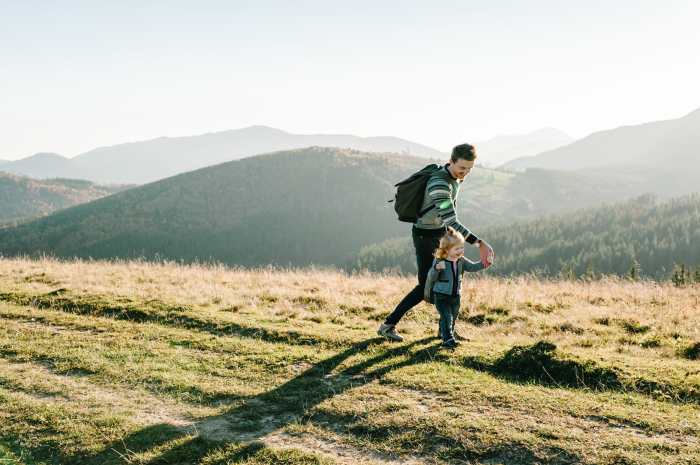
Dreaming of creating unforgettable memories with your loved ones? Planning an outdoor family vacation offers a unique blend of adventure, relaxation, and quality time. Whether you envision thrilling adventures or peaceful escapes, the possibilities are vast and varied, catering to diverse family dynamics and budgets. This guide explores a range of options, from budget-friendly camping trips to luxurious resort stays, ensuring there’s a perfect fit for every family.
We delve into popular destinations across the globe, offering insights into unique selling points, ideal travel times, and essential planning considerations. From crafting exciting itineraries to managing family dynamics and prioritizing safety, we provide comprehensive guidance to help you navigate every step of your journey, turning your dream vacation into a reality.
Popular Outdoor Family Vacation Destinations

Planning a family vacation that combines quality time with exciting outdoor adventures can be a rewarding experience. Choosing the right destination is key to ensuring everyone enjoys themselves, from the youngest to the oldest member of the family. This section highlights some of the world’s best options, categorized by continent, along with key considerations for your planning.
Popular Outdoor Family Vacation Destinations by Continent
The following table provides a concise overview of ten popular outdoor family vacation destinations, categorized by continent. Each destination offers unique attractions and activities suitable for families.
| Destination | Continent | Brief Description | Typical Activities |
|---|---|---|---|
| Yellowstone National Park | North America | A vast wilderness area famous for its geysers, hot springs, and abundant wildlife. | Hiking, wildlife viewing, geyser gazing, fishing, camping. |
| Costa Rica | North America | A biodiversity hotspot with rainforests, beaches, and volcanoes. | Zip-lining, rainforest tours, wildlife spotting, surfing, beach relaxation. |
| Serengeti National Park | Africa | Home to the Great Migration, a spectacular wildlife spectacle. | Game drives, hot air balloon safaris, nature walks, photography. |
| The Galapagos Islands | South America | Unique volcanic islands teeming with endemic wildlife, including giant tortoises and marine iguanas. | Cruises, snorkeling, diving, hiking, wildlife observation. |
| Swiss Alps | Europe | Majestic mountain range with stunning scenery, charming villages, and numerous outdoor activities. | Hiking, mountain biking, skiing (winter), scenic train rides, exploring charming towns. |
| Great Barrier Reef | Oceania | The world’s largest coral reef system, a vibrant underwater world. | Snorkeling, diving, glass-bottom boat tours, island hopping. |
| New Zealand’s South Island | Oceania | Stunning landscapes with fjords, mountains, and glaciers. | Hiking, kayaking, bungee jumping, white-water rafting, scenic drives. |
| Yosemite National Park | North America | Iconic national park with towering granite cliffs, giant sequoia trees, and waterfalls. | Hiking, rock climbing, camping, photography, exploring Yosemite Valley. |
| Banff National Park | North America | Picturesque mountain scenery, turquoise lakes, and abundant wildlife. | Hiking, canoeing, wildlife viewing, gondola rides, exploring mountain towns. |
| Machu Picchu | South America | Inca citadel high in the Andes Mountains, a historical wonder. | Hiking the Inca Trail (permit required), exploring the ruins, train journeys, cultural immersion. |
Unique Selling Points for Each Destination
Each destination offers a unique blend of attractions and experiences that appeal to families. The following points highlight what makes each location special for family vacations.
Yellowstone National Park: 1. Geysers and hot springs offer unique geological wonders. 2. Abundant wildlife viewing opportunities (bison, elk, bears). 3.
Varied hiking trails for all fitness levels. 4. Educational opportunities about geothermal activity and ecology. 5. Excellent camping and lodging options for families.
Costa Rica: 1. Incredible biodiversity and rainforest experiences. 2. Adventure activities suitable for all ages (zip-lining, rainforest walks). 3.
Beautiful beaches for relaxation and swimming. 4. Opportunities to learn about conservation and sustainability. 5. Family-friendly resorts and eco-lodges.
Serengeti National Park: 1. Witnessing the Great Migration is a once-in-a-lifetime experience. 2. Thrilling game drives offer close encounters with wildlife. 3.
Educational opportunities to learn about African wildlife and ecosystems. 4. Options for family-friendly lodges and safaris. 5. Potential for combining safari with other Tanzanian adventures.
The Galapagos Islands: 1. Unique wildlife encounters not found anywhere else. 2. Opportunities for snorkeling and diving with marine life. 3.
Educational experiences about evolution and island ecosystems. 4. Family-friendly cruises and guided tours. 5. Stunning volcanic landscapes and beaches.
Swiss Alps: 1. Breathtaking mountain scenery and charming villages. 2. Activities for all ages and fitness levels (hiking, biking, scenic train rides). 3.
Family-friendly resorts and mountain chalets. 4. Opportunities for learning about Swiss culture and history. 5. Excellent infrastructure and accessibility.
Great Barrier Reef: 1. Exploring the vibrant coral reefs is a magical experience. 2. Snorkeling and diving suitable for all ages (with appropriate supervision). 3.
Educational opportunities to learn about marine life and coral reefs. 4. Island hopping and relaxing on tropical beaches. 5. Opportunities for boat tours and glass-bottom boat experiences.
New Zealand’s South Island: 1. Dramatic landscapes offer stunning scenery. 2. A range of adventure activities for thrill-seekers (bungee jumping, white-water rafting). 3.
Scenic drives and hiking trails for all fitness levels. 4. Family-friendly accommodations and tour operators. 5. Opportunities to learn about Maori culture and history.
Yosemite National Park: 1. Iconic granite cliffs and waterfalls provide unforgettable views. 2. Varied hiking trails for all skill levels. 3.
Giant sequoia trees offer a unique natural wonder. 4. Opportunities for rock climbing (with proper guidance). 5. Family-friendly camping and lodging options.
Banff National Park: 1. Turquoise lakes and mountain scenery create a picturesque setting. 2. Hiking trails and canoeing opportunities for all ages. 3.
Abundant wildlife viewing opportunities (elk, deer, bears). 4. Gondola rides offer stunning panoramic views. 5. Charming mountain towns offer family-friendly amenities.
Machu Picchu: 1. Exploring the Inca citadel is a historical adventure. 2. Hiking the Inca Trail (with proper planning and permits) is a challenging but rewarding experience. 3.
Train journeys offer stunning views of the Andes Mountains. 4. Opportunities to learn about Inca history and culture. 5. Family-friendly accommodations and guided tours available.
Best Time to Visit
The ideal time to visit each destination depends on weather patterns and crowd levels. Consider these factors when planning your trip.
Yellowstone National Park: Summer (June-August) offers the best weather but is also the busiest. Spring and fall offer pleasant weather with fewer crowds.
Costa Rica: The dry season (December-April) is ideal for outdoor activities, but it’s also the peak tourist season. The shoulder seasons (May-June and September-November) offer a good balance of weather and fewer crowds.
Serengeti National Park: The dry season (June-October) is best for wildlife viewing, as animals congregate around water sources. The wet season (November-May) is greener but can have limited visibility.
The Galapagos Islands: The best time to visit is during the dry season (June-November), when the weather is sunny and calm. The wet season (December-May) can have higher humidity and occasional rain.
Swiss Alps: Summer (June-September) is ideal for hiking and other outdoor activities. Winter (December-March) is perfect for skiing and snowboarding.
Great Barrier Reef: The best time to visit is during the dry season (May-October), when the water is clearer and calmer. The wet season (November-April) can have higher humidity and more rain.
New Zealand’s South Island: Summer (December-February) offers the warmest weather, while autumn (March-May) provides beautiful fall foliage. Winter (June-August) is ideal for skiing and snowboarding.
Yosemite National Park: Summer (June-August) is the warmest and busiest time. Spring and fall offer pleasant weather with fewer crowds. Winter can bring snow and road closures.
Banff National Park: Summer (June-September) is ideal for hiking and other outdoor activities. Winter (December-March) offers excellent skiing and snowboarding.
Machu Picchu: The dry season (May-September) is the best time to visit, with less rain and clearer skies. The wet season (October-April) can have more rain and potential for trail closures.
Adventure-Based Family Vacations
Adventure-based family vacations offer a unique blend of excitement, challenge, and quality time spent together in stunning natural settings. These trips create lasting memories and foster a sense of accomplishment within the family unit, regardless of age or experience level. Choosing the right adventure depends heavily on the family’s collective fitness level and the desired intensity of the experience.
Seven-Day Adventure Itineraries for Families
The following Artikels three distinct seven-day adventure itineraries, categorized by activity level: beginner, intermediate, and advanced. Each itinerary balances adventurous activities with relaxation and family time, ensuring a well-rounded experience for everyone involved.
- Beginner: National Park Exploration (e.g., Acadia National Park, Maine)
- Day 1: Arrival and settling into a comfortable lodge near the park entrance. Evening stroll along the coast.
- Day 2: Easy hiking trails with scenic overlooks. Picnic lunch amidst breathtaking views.
- Day 3: Guided kayaking tour on a calm lake or bay. Relaxing afternoon at the lodge.
- Day 4: Visit a park visitor center and learn about the local flora and fauna. Junior ranger program participation.
- Day 5: Bike ride along a paved path within the park. Enjoy a family-friendly campfire in the evening.
- Day 6: Wildlife viewing opportunities (bird watching, spotting local animals). Souvenir shopping.
- Day 7: Departure.
- Intermediate: Whitewater Rafting and Hiking in Colorado
- Day 1: Arrival in a mountain town near rafting outfitters. Gear check and safety briefing.
- Day 2: Half-day beginner whitewater rafting trip on a milder section of a river. Afternoon exploring the town.
- Day 3: Moderate-level hiking trail with stunning mountain views. Pack a lunch to enjoy at the summit.
- Day 4: More challenging whitewater rafting experience on a more intense section of the river. Evening relaxing by the river.
- Day 5: Rock climbing lesson for the family. Practice on easier routes with experienced guides.
- Day 6: Scenic drive through mountain passes, stopping at viewpoints and photo opportunities.
- Day 7: Departure.
- Advanced: Backpacking and Mountaineering in the Rockies
- Day 1: Arrival at trailhead. Gear check and final preparations. Begin backpacking trek.
- Day 2: Full-day backpacking trek to a high-altitude campsite. Set up camp and enjoy the scenery.
- Day 3: Acclimatization day – shorter hikes around the campsite. Learn basic mountaineering techniques.
- Day 4: Guided mountaineering ascent to a nearby peak. Requires prior experience and appropriate physical fitness.
- Day 5: Descent from the peak. Pack up camp and continue backpacking trek.
- Day 6: Complete backpacking trek. Celebrate accomplishment with a well-deserved meal.
- Day 7: Departure.
Cost Comparison of Itineraries
Costs vary significantly depending on the chosen itinerary, the time of year, and the size of the family. The beginner itinerary will generally be the most affordable, with costs potentially ranging from $2,000 to $5,000 for a family of four, including accommodation in a lodge, park entry fees, and basic activities. The intermediate itinerary could range from $4,000 to $8,000 due to the higher cost of guided activities like whitewater rafting and rock climbing.
The advanced itinerary, requiring specialized gear and potentially professional guides, is likely to cost between $6,000 and $12,000 or more, reflecting the higher level of expertise and equipment needed. These are estimates and can vary greatly based on choices made.
Gear and Preparation for Each Itinerary
Appropriate gear and preparation are crucial for a safe and enjoyable adventure. The beginner itinerary requires minimal specialized gear; comfortable hiking shoes, layered clothing, sunscreen, and insect repellent are sufficient. For the intermediate itinerary, participants should consider investing in water shoes, a quick-drying towel, and potentially a dry bag for personal belongings. The advanced itinerary demands extensive preparation, including high-quality backpacking gear (tent, sleeping bag, cooking equipment), mountaineering boots, appropriate clothing for varying weather conditions, and potentially specialized equipment like ice axes and crampons.
Physical fitness is also crucial for the advanced itinerary. For all itineraries, ensuring everyone has the appropriate age-appropriate safety equipment and understanding of safety protocols is paramount. For example, children participating in water activities should wear life jackets. Consult with doctors or medical professionals about any pre-existing conditions that might affect participation.
Family Vacations
Planning a successful outdoor family vacation requires careful consideration and preparation. A well-organized trip minimizes stress and maximizes enjoyment, creating lasting memories for everyone involved. This section provides a comprehensive guide to planning, managing family dynamics, and ensuring safety during your outdoor adventure.
Pre-Trip Planning Checklist
Thorough preparation is key to a smooth and enjoyable family vacation. This checklist covers essential aspects of planning, from booking accommodations to packing the right gear. Overlooking even minor details can lead to unexpected complications, so meticulous planning is crucial.
- Destination Selection and Research: Choose a destination that caters to your family’s interests and abilities. Research the area thoroughly, considering weather conditions, potential hazards, and available activities.
- Accommodation Booking: Reserve accommodations well in advance, especially during peak seasons. Consider factors like proximity to activities, amenities offered (e.g., kitchens, laundry facilities), and the overall suitability for families.
- Transportation Arrangements: Plan transportation to and from your destination. This may involve flights, car rentals, or other modes of transport. Book tickets or rentals in advance to secure the best options and avoid last-minute price hikes.
- Activity Planning: Research and book any necessary activities, tours, or entrance tickets in advance. Consider the age and physical capabilities of all family members when choosing activities.
- Packing Essentials: Create a comprehensive packing list, including clothing suitable for various weather conditions, toiletries, first-aid supplies, sunscreen, insect repellent, and any necessary medications. Don’t forget essential documents like passports, driver’s licenses, and insurance information.
- Budgeting and Financial Planning: Establish a realistic budget and track expenses throughout the planning process. Consider costs associated with travel, accommodation, activities, food, and souvenirs.
Managing Family Dynamics During a Vacation
Maintaining a positive atmosphere and resolving conflicts are vital for a successful family vacation. Open communication and proactive strategies can significantly contribute to a harmonious trip.
Strategies for managing family dynamics include establishing clear expectations before the trip, involving family members in the planning process, scheduling downtime for individual pursuits, and proactively addressing potential conflicts. Encourage teamwork and collaboration in activities, and remember to celebrate small successes along the way. For example, a family might decide to allocate specific time slots for individual activities (reading, hiking alone, etc.), thereby preventing friction arising from different preferences.
Ensuring Safety and Well-being
Prioritizing safety and well-being is paramount during outdoor family adventures. Taking preventive measures can significantly reduce the risk of accidents and illnesses.
Safety measures include practicing sun safety (using sunscreen with a high SPF, wearing protective clothing, and seeking shade during peak sun hours), carrying a well-stocked first-aid kit, and being aware of potential hazards specific to the chosen destination (e.g., wildlife, poisonous plants, water safety). It is also crucial to inform someone of your itinerary and expected return time, and to have a plan for emergencies, including contacting local emergency services.
Ultimately, the perfect outdoor family vacation is a personalized experience, tailored to your family’s unique needs and preferences. By carefully considering your budget, desired activities, and the ages and interests of your family members, you can craft an unforgettable adventure that strengthens bonds, creates lasting memories, and fosters a deeper appreciation for the natural world. Remember to prioritize safety, embrace spontaneity, and most importantly, enjoy the journey together.
FAQ Corner
What’s the best way to involve kids in the vacation planning process?
Involve children by letting them choose activities within a pre-selected range, allowing them a sense of ownership and excitement. This fosters cooperation and reduces potential conflicts.
How can I handle potential conflicts among family members during the trip?
Establish clear expectations beforehand, schedule downtime for everyone, and build in flexibility to accommodate changing moods or needs. Addressing disagreements calmly and fairly is key.
What are some essential packing items for an outdoor family vacation?
Essentials include appropriate clothing for varied weather conditions, comfortable footwear, sunscreen, insect repellent, a first-aid kit, and any necessary medications.
How do I choose the right level of adventure for my family?
Consider your family’s physical abilities, experience levels, and comfort zones. Start with shorter, less strenuous activities and gradually increase the challenge as your confidence grows.


